E-commerce · Experience measurement · 3 min read
The voice of the customer as a prioritization criterion
- Role
- Project owner
- Company
- Frávega
- Period
- 4 months
- Team
- Individual project
- The problem
- There was no measurement of the purchase and delivery experience; decisions were based on assumptions.
- What I decided
- Measure with NPS, CSAT and CES at two key moments, using in-house tools and AI, without waiting for a development team.
- The result
- The data guided decisions in 14 discoveries and is now a formal input for Product prioritization.
The challenge
Before this project, the only measured customer interaction was the resolution of support cases, that is, contact when something went wrong. There was no measurement of the purchase and delivery experience, and no report showing how it evolved.
This created two problems:
For UX and Product: every initiative needed a survey or an interview from scratch, with no baseline.
For the rest of the organization: many decisions relied on assumptions nobody had validated.
There were two sources of resistance:
Technical: there was no dedicated development team.
Cultural: Product and Business weren't used to receiving direct criticism from users.
My contribution
Role: direct owner, from planning and methodological design to technical execution. I did it on my own.
Scope: two measurement points in production, after purchase and after delivery.
Impact: the data became a formal input for Product prioritization.
Key decisions
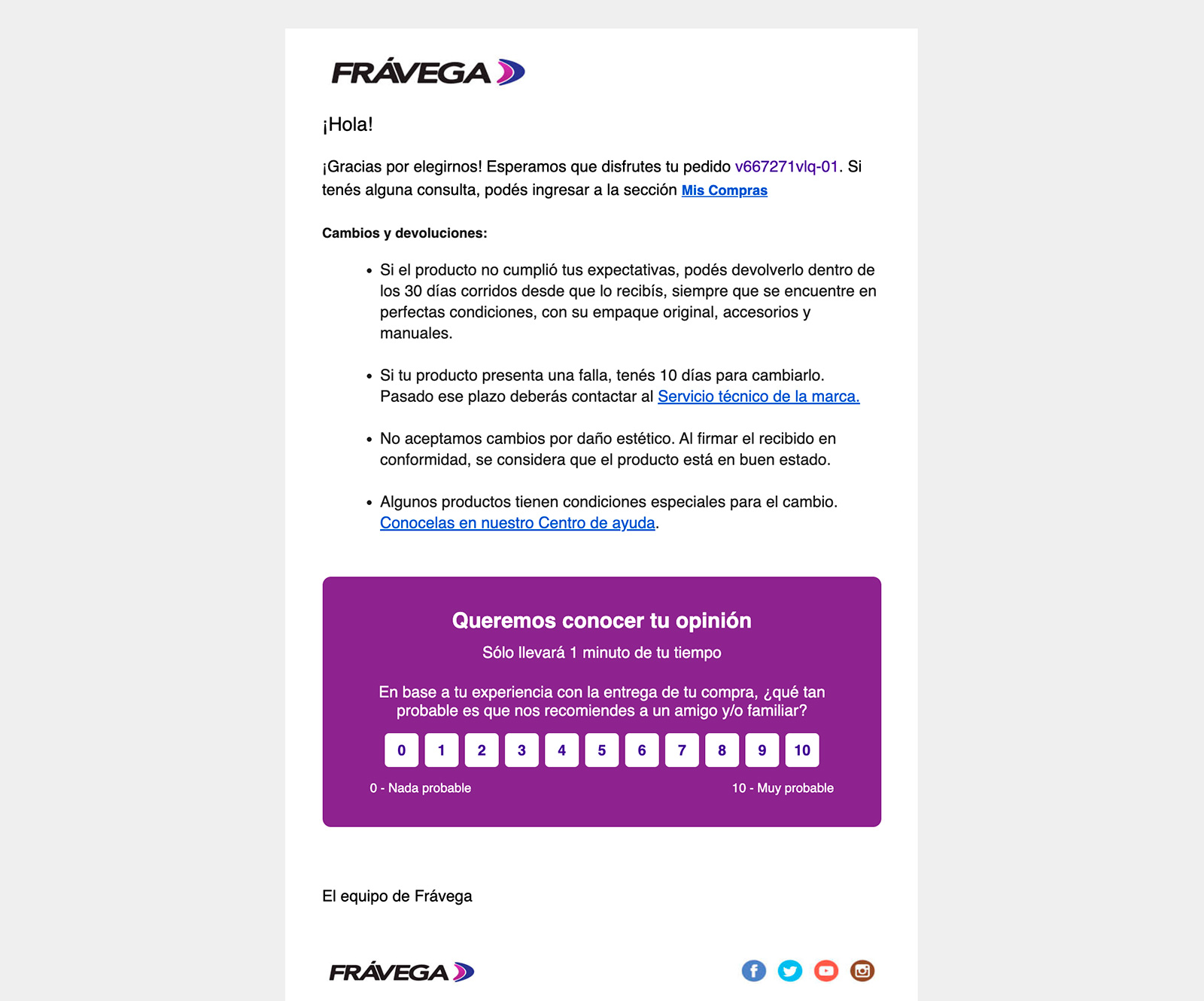
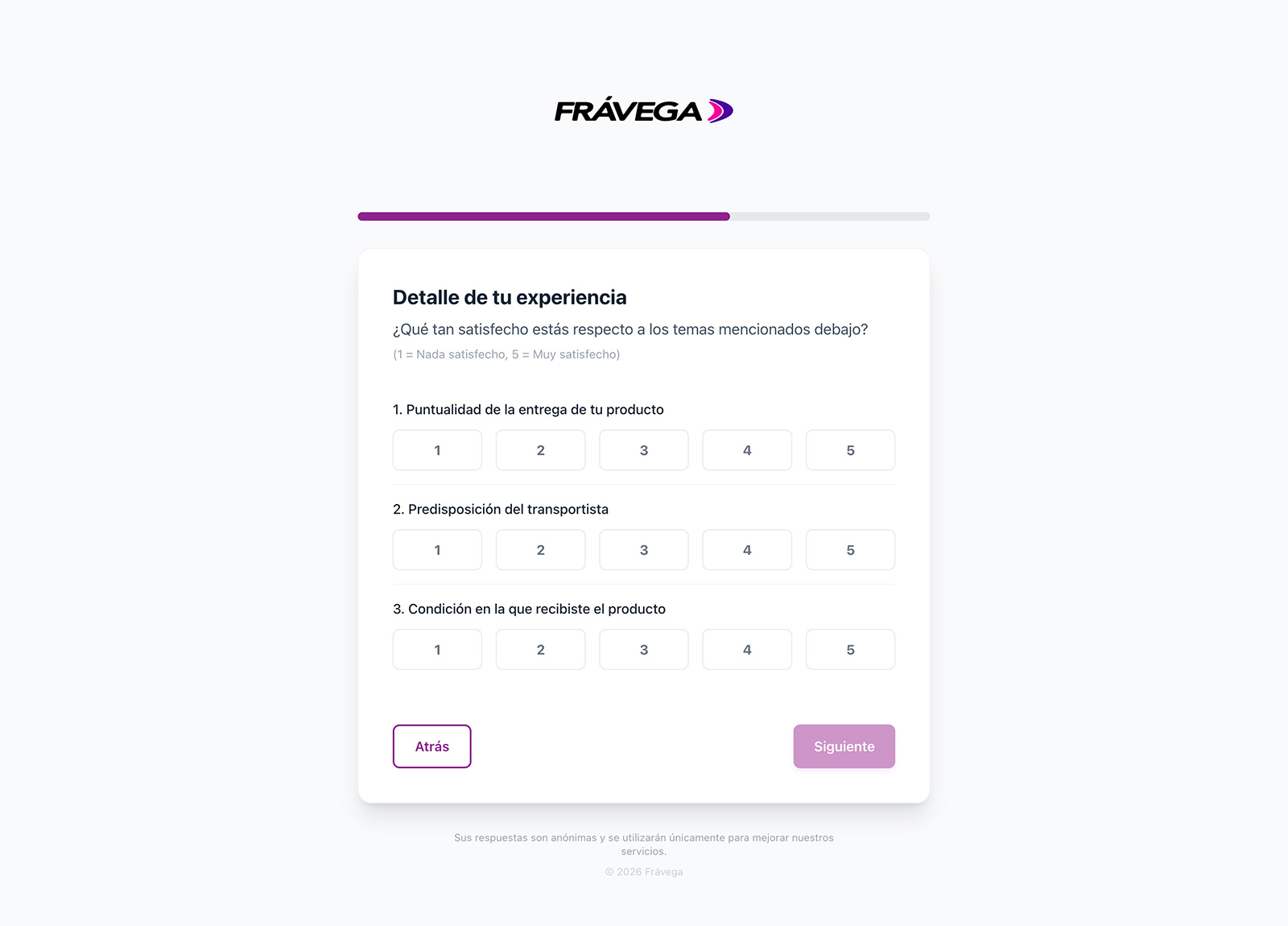
I chose standard metrics (NPS, CSAT and CES) so everyone would understand them, and defined the rest of the questions with data: during the first month we tested different topics and kept the most mentioned ones, plus key e-commerce themes such as shipping costs, coupons and promotions.
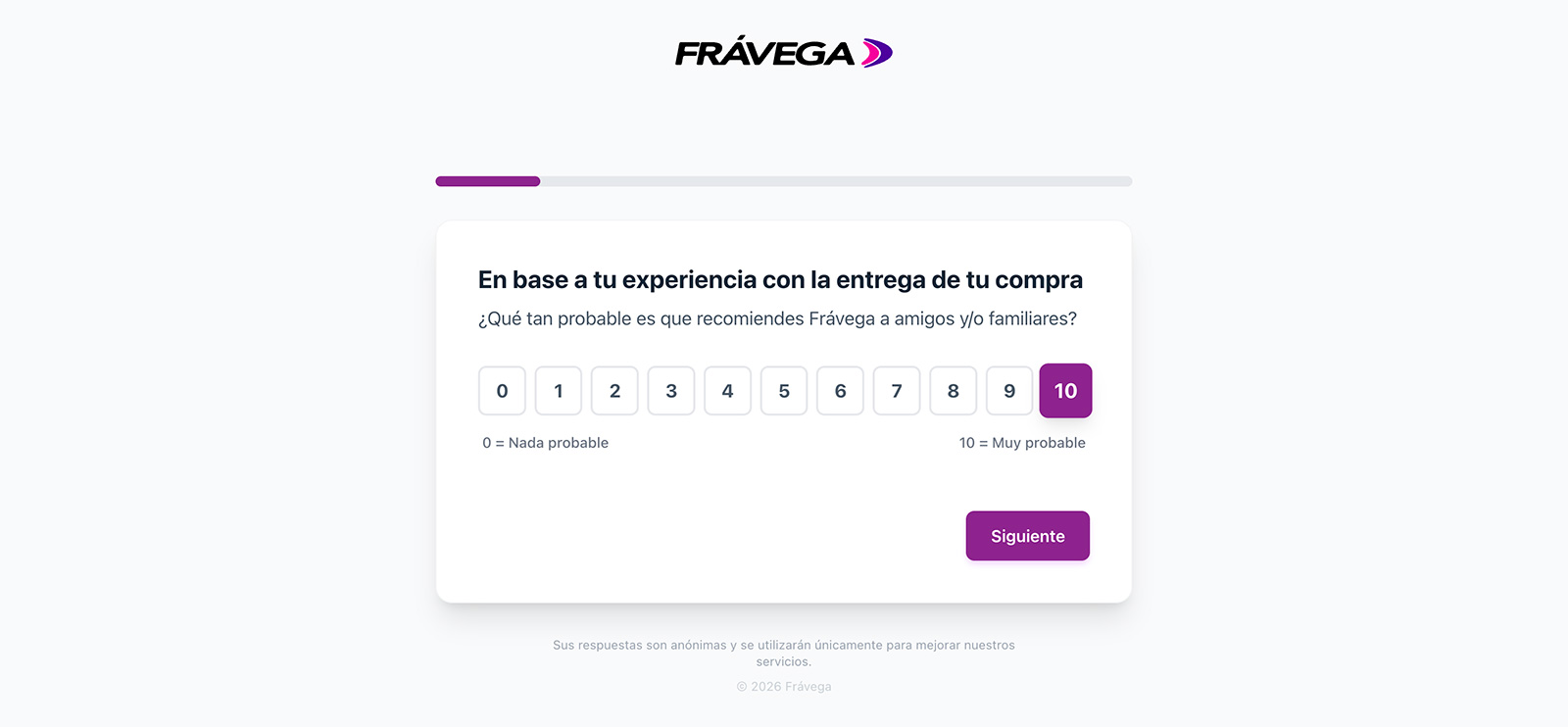
I solved the technical side with the resources available: I used AI to build the survey module in Next.js, with results in Google Sheets, and automated the analysis of open-ended comments. The post-purchase survey is integrated into the site with Hotjar and the post-delivery one uses the existing emails.
I set the timing of each survey based on what the customer is going through: after purchase, with the search and selection process still fresh; after delivery, once the wait and the contact with the carrier were over.
I set up a space to explain the methodology, the data sources and the reporting frequency. That turned the initial resistance into trust in the process.
Results
Survey data guided decisions in 14 discoveries, such as the redesign of the product card or the coupon redemption experience.
More than a year of post-purchase survey data and 5 months of post-delivery data.
Improvements to order tracking in Post-sale were reflected in higher post-delivery NPS and CSAT.
Learnings
I learned to work with large volumes of data and to engage with other teams based on evidence.
If I started it today, I'd aim from the outset for an integrated voice-of-the-customer system covering the entire lifecycle.
Next step: bring measurement to the in-store experience.